
I stopped studying and started speaking multiple languages. Here's the method
Speaking with natives is a different skill from studying. Three ideas for getting comfortable with it, including making mistakes on purpose.
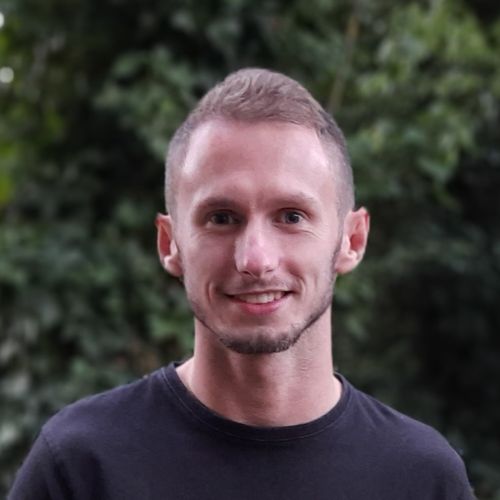
I stopped studying and started speaking multiple languages. That meant that when I was speaking with natives, I went from being nervous and anxious about freezing up to being far more relaxed in conversations.
This isn't for absolute beginners. It's for intermediate people, maybe A2 or B1, who want to be more fluent when speaking with natives. Maybe you freeze up, or can't think of the right word, and even though you keep studying more to raise your level, you still can't get past it. I'm James, a native English speaker, I speak Spanish and Italian, and I have 13 years of experience learning languages. The key is that having conversations with natives is a very different skill to studying.
1. Speaking is a skill you practise, not knowledge you memorise
Speaking with natives is completely different from using an app or looking up grammar. You do several things at once, super quickly, while smiling and coping with background noise.
A native speaker says something to you. You're listening to the audio, watching body language and facial expressions, and pairing it all with context. You might be translating in your head: "what does that mean in English?" Then you work out what you understand, what your opinion is, what you want to say back, build the words in your target language, and say it as grammatically as you can. That's a lot of steps to do really quickly. A language app or writing things down helps to an extent, but it won't train your brain to understand quickly and respond.
I've seen this first hand. A friend of mine loves talking and can talk forever, but he's not good at reading or writing. Because he's so chatty he learned Spanish so quickly just in conversations, and I was surprised how good he was despite not being able to read or write it.
I'm not saying stop studying altogether. But if you're at a certain level, there's a ceiling on how good you can get in real conversations just by studying. You can't hit fitness goals by eating perfectly without exercise. You need both. If you're stuck and have limited time each week, I'd recommend making conversation practice about 90% of it. You've studied enough to say things. Now you need to practise getting them out.
2. Studying can become procrastination
You're putting off the difficult thing, which is conversations with natives, because there's anxiety around it. You don't want to be bad. So you study more: more grammar, more vocab, flashcards, YouTube videos. It's the same as avoiding boring work by doing all the easy things.
You might also want to be perfect before you start, which is a risk. And it might be that you just don't have access to practise the way you want. Online lessons and meetups still bring anxiety.
Saying "just speak more" is easier said than done. Since the fear of being bad is the main thing stopping you, find a way to practise without the anxiety:
- Weave it into a hobby or interest you already do.
- Ask friends who speak another language if you can practise with them. You don't have the anxiety of meeting someone new.
- Use Voco, the platform I built, where you practise conversations with an AI persona you choose. It knows your level, what you're good and bad at, and learns your interests over time.
3. You have to be comfortable being bad before you can get good
That applies to anything, but in language learning it's hard to have a conversation you feel is bad without feeling embarrassed. Why? Because you don't want to feel rejected, or like an idiot. So the solution, weird as it sounds, is to make your mind okay with making mistakes and being embarrassed.
First, set up the environment. Minimal background noise so you can hear each other, and a person who's on board and not rushed or in a bad mood. If you're in a restaurant abroad and the waiter asks how your day is, that can be a perfect moment, as long as they're not rushed off their feet.
Then here's a trick: make mistakes on purpose and see how the native speaker reacts. Use an incorrect word. Or tell them, "I'm trying to improve and I'm scared of making mistakes. Can I make mistakes on purpose and see how it feels?" It sounds counterintuitive, but if you're scared of failure, practise it in a safe, controlled environment. The next time, your brain thinks, "I've felt what failure is like and it's not that bad. I didn't die." It's basically exposure therapy.
Do this with someone you know and trust, not random people on the street, which can be scary. Try a sentence that sounds ridiculous, like "tomorrow I want to go to the banana", when you mean gym or park. Worst case, they laugh and you laugh back, because you both know what's going on.
Perfection stops a lot of things from happening. As you practise conversations you find ways round things. If you can't think of the right word, you use other words, simplify, or use body language. Body language is a huge part of communication, so even if you don't know the exact word, the other person will often guess from what you said and the context.
I can tell you all this, but it's an emotional thing. You have to feel it first-hand to train your brain that you're not going to die. The more conversations you have, even imperfect ones, the more you gain, like reps at the gym. You need mistakes to get feedback on what works and what doesn't. That's how you go from anxious and freezing to comfortable, confident and fluent. Even if I don't know the right word, I can say something to carry my meaning and keep the conversation flowing.
I still do this. When I'm speaking Italian and a Spanish word comes out, or I guess a word by saying the English with a Spanish accent, I say "hopefully you understand what I'm saying". Sometimes they laugh. That's my limit at the moment, but we keep the conversation going anyway, because I enjoy it and I need to practise more.
“This is without doubt the best way to learn how to SPEAK Spanish. The conversation is so flowing and natural… I've tried tons and this is the best.”
“I've found it more useful than gamerfied apps, which make me very good at completing their lessons but not so good at using the language in public.”
Free email course
Want more on this?
My free 5-day email course shows you how to stop freezing and speak with natives. Each email takes about a minute to read.
About me
Hi, I'm James Hutchinson
I'm a native English speaker, and I've spent 13 years learning Spanish and Italian. I've lived abroad too, so I know exactly what it feels like to freeze mid-conversation. I make videos on the psychology of speaking a new language, and I built Voco so you can practise real conversations without the pressure.